Countywide Assessment Coverage From the Coast to Inland Communities
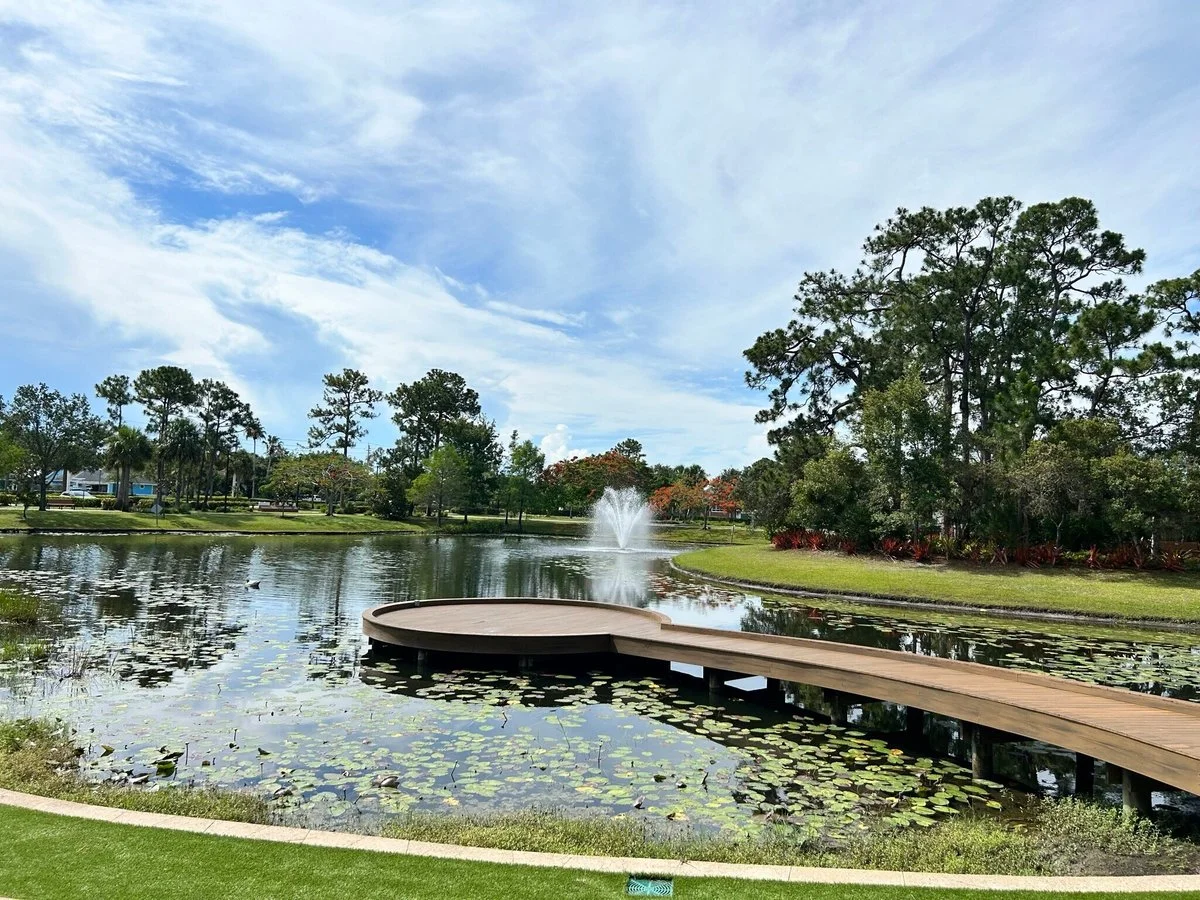
St. Lucie County includes Fort Pierce, Port St. Lucie, St. Lucie Village, and extensive unincorporated areas. The county combines older established neighborhoods, rapidly growing residential communities, waterfront properties, commercial corridors, business districts, and coastal development, creating a broad range of building types and assessment situations.
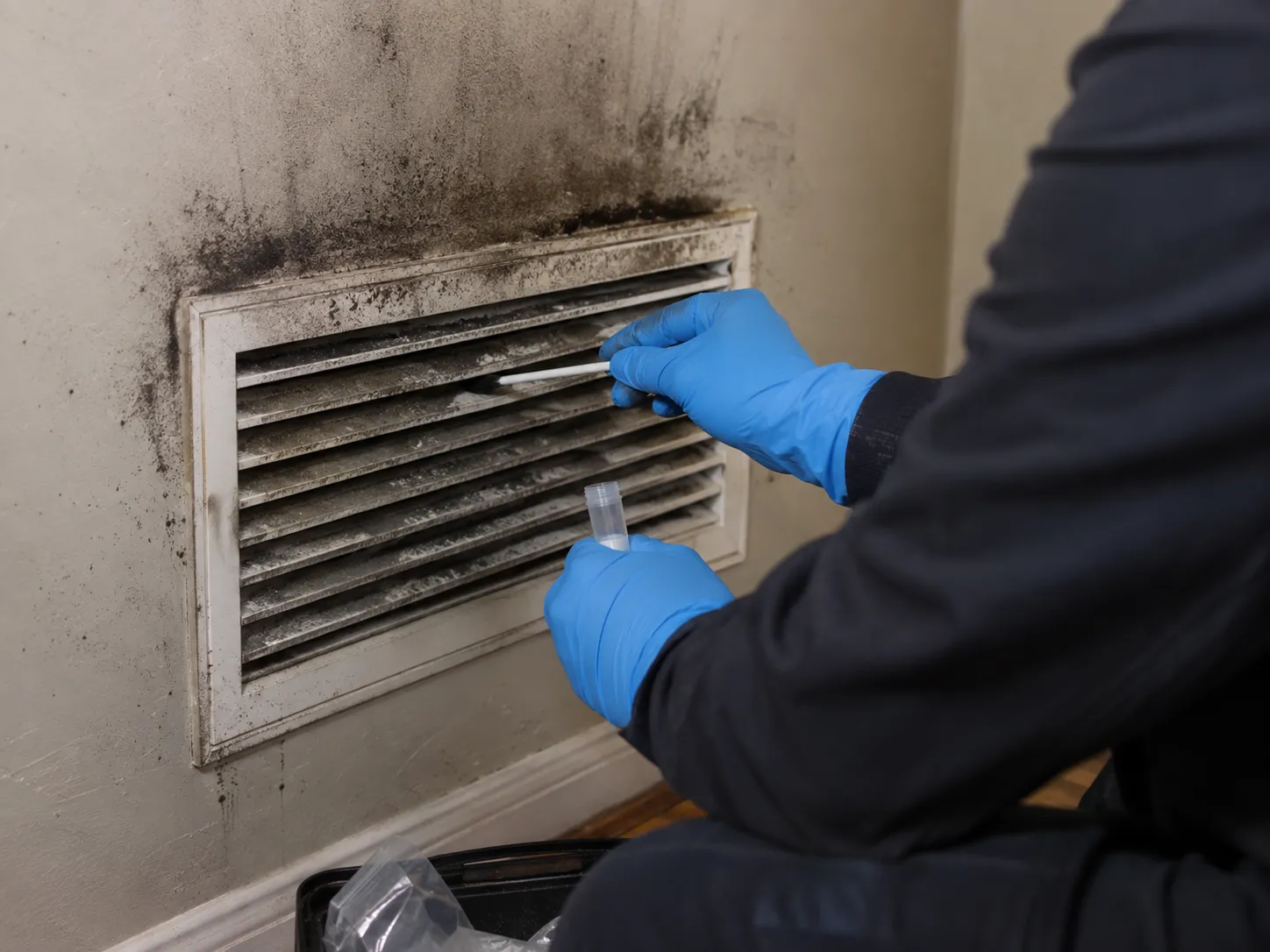
Mold Detectives Inc. approaches each property according to its individual conditions. Depending on the concern, an assessment may involve visual observations, photographs, documentation of accessible areas, selected surface sampling, review of accessible HVAC components, and coordination with an independent laboratory when further analysis is appropriate.
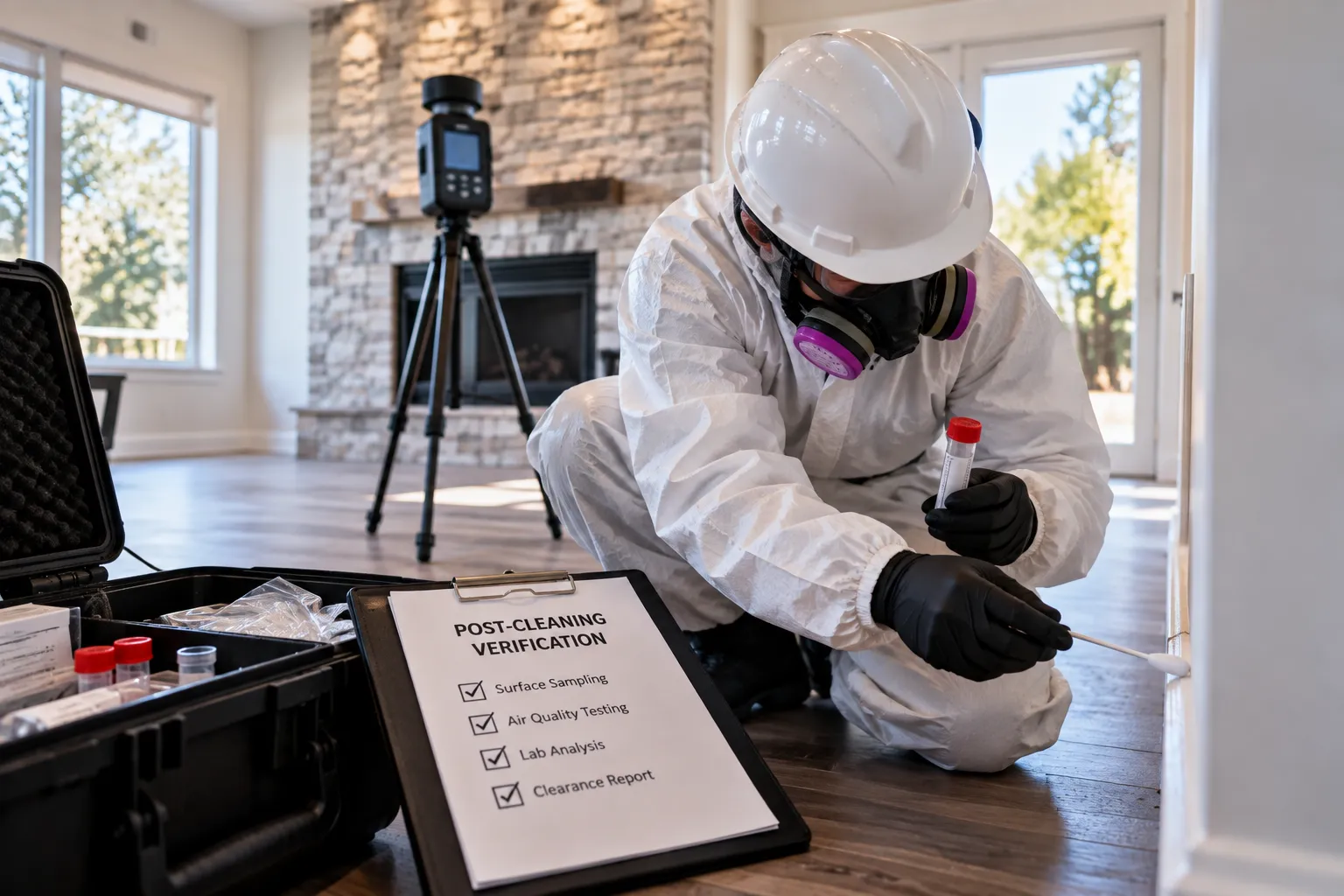
Assessment Options for Different Fire and Smoke Concerns
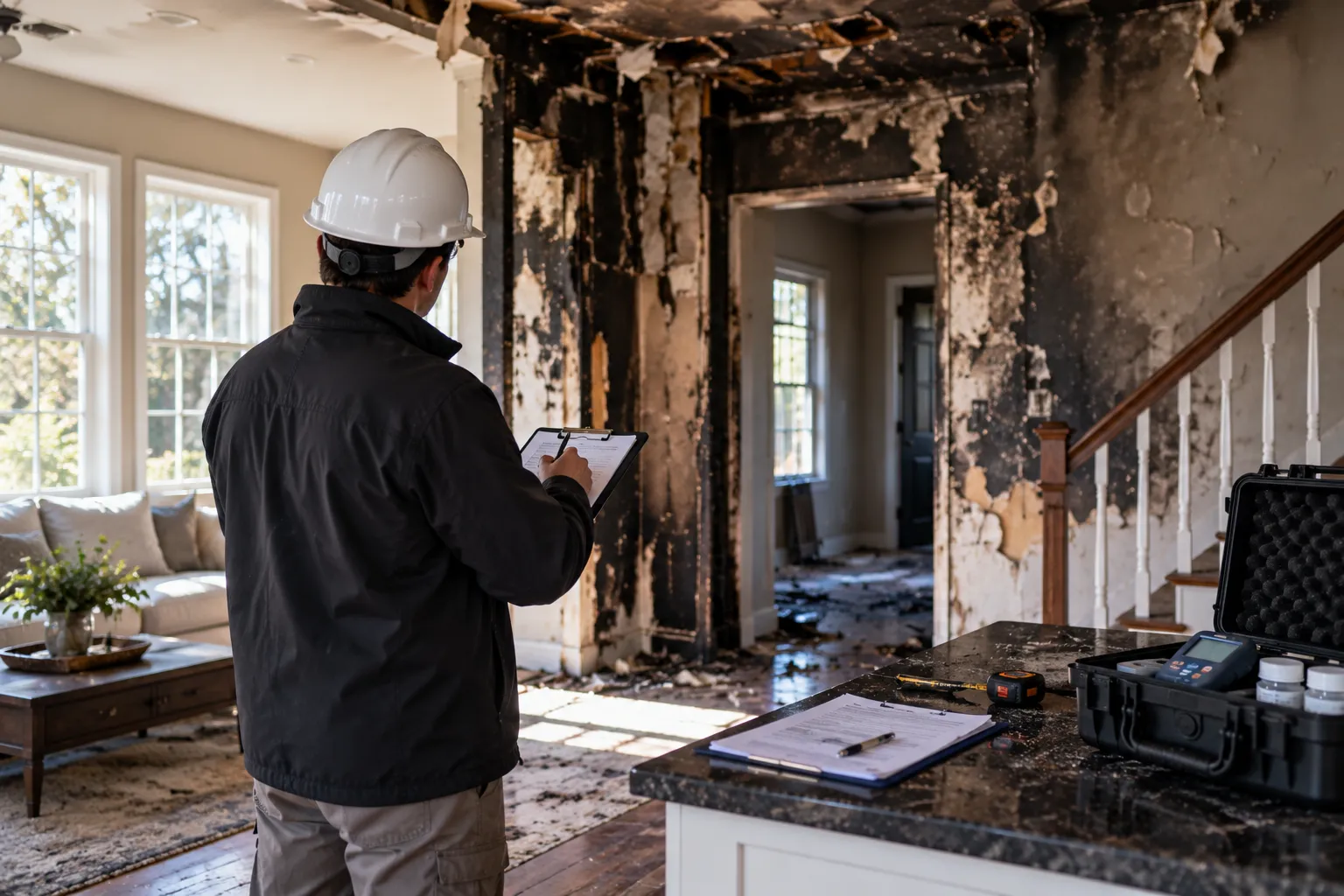
A property affected by smoke does not always require the same evaluation as one with suspected surface residue or questions involving ventilation components. The assessment method is selected according to what occurred, which accessible areas are involved, and what information the property owner or other involved party needs.
When material is sampled, laboratory findings are interpreted together with the collection location, observed conditions, property history, and assessment scope. Results remain connected to the specific areas evaluated rather than being assumed to represent every concealed or unsampled part of the building.
Homes, Waterfront Properties, and Business Spaces Across the County
St. Lucie County contains varied property environments. Port St. Lucie is largely residential with major commercial corridors and planned communities, while Fort Pierce combines established housing with waterfront commercial development. St. Lucie Village is primarily residential, and the county also includes coastal and unincorporated areas with their own property characteristics.
Assessment services may therefore apply to single-family homes, condominiums, apartments, waterfront residences, offices, retail spaces, restaurants, managed properties, commercial buildings, and other locations where fire, smoke, soot, HVAC, or combustion-residue conditions need independent evaluation.
When Independent Documentation Can Be Helpful
Property owners may request an assessment when smoke appears to have reached rooms beyond the original fire location, staining or suspected dark residue remains on accessible surfaces, odors continue, or questions arise about return grilles, supply vents, filters, air handlers, or nearby HVAC areas.
An independent assessment may also be useful when laboratory information is needed for selected samples, a property manager or other professional requires third-party documentation, or previously cleaned areas need follow-up evaluation. Findings remain based on accessible conditions, areas examined, and samples actually collected.
St. Lucie County Fire & Smoke Assessment FAQs
Mold Detectives Inc. can evaluate residential and commercial properties including single-family homes, condominiums, apartments, waterfront properties, offices, retail spaces, restaurants, managed buildings, and other locations where fire, smoke, soot, HVAC, or combustion-residue concerns require assessment.
Available services may include Fire Damage Inspection, Smoke Damage Assessment, Soot Testing, Black-Carbon Testing, Combustion-Residue Testing, Fire-Residue Laboratory Testing, HVAC Smoke and Soot Contamination assessment, Post-Fire Indoor Air-Quality Testing, Post-Cleaning Fire Verification Testing, and independent residential or commercial assessments.
Assessment coverage may include Fort Pierce, Port St. Lucie, St. Lucie Village, Lincoln Park, St. Lucie West, Tradition, White City, North Hutchinson Island, South Hutchinson Island, and surrounding county areas.
Select Area:
Send us a Message
Need Clear Answers About a St. Lucie County Property?
If fire, smoke, suspected residue, HVAC conditions, or previous cleaning has raised questions at a home or business in St. Lucie County, contact Mold Detectives Inc. to discuss the property and determine an appropriate assessment approach.