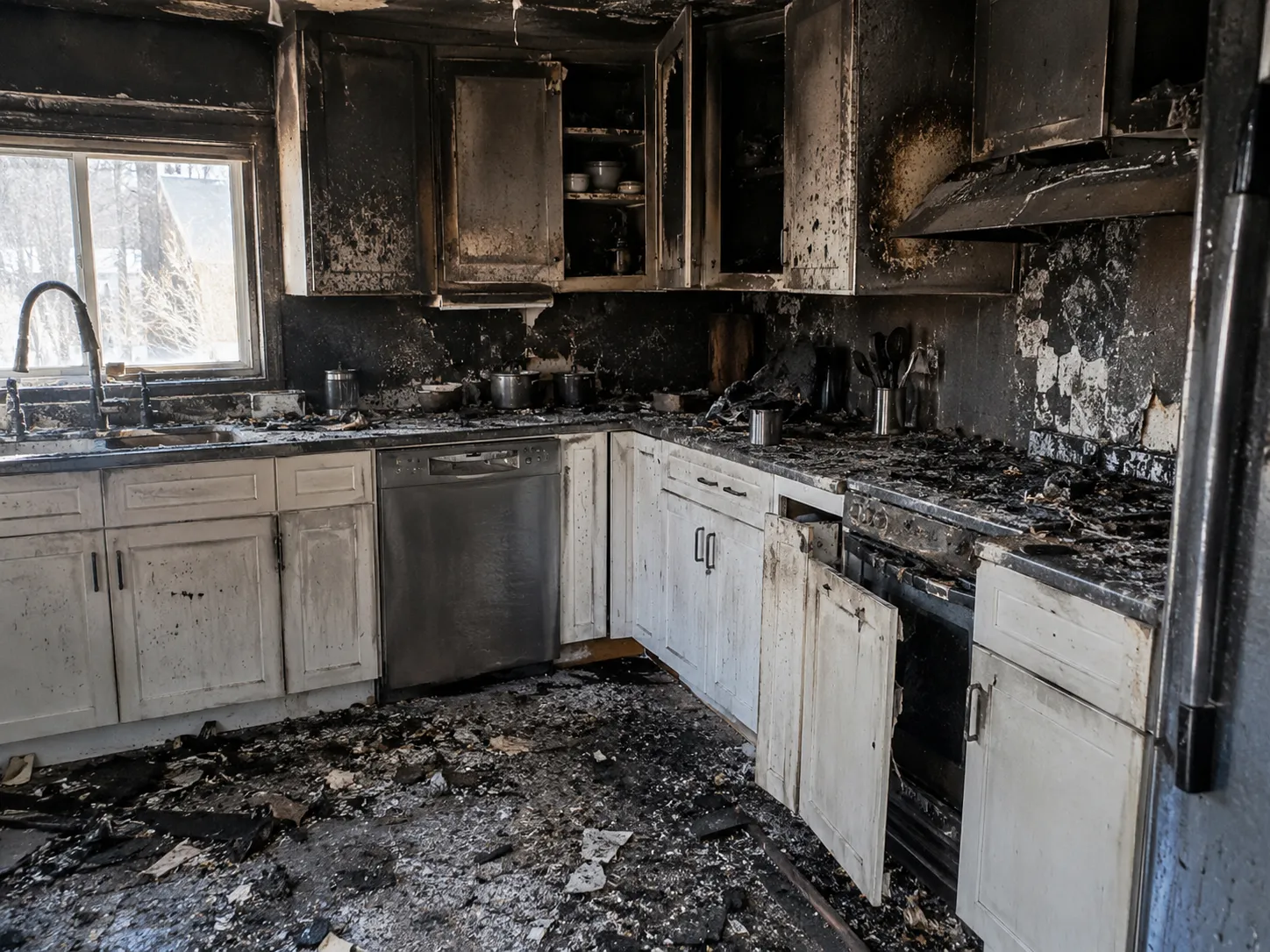
Understanding Residue After a Fire or Combustion Event
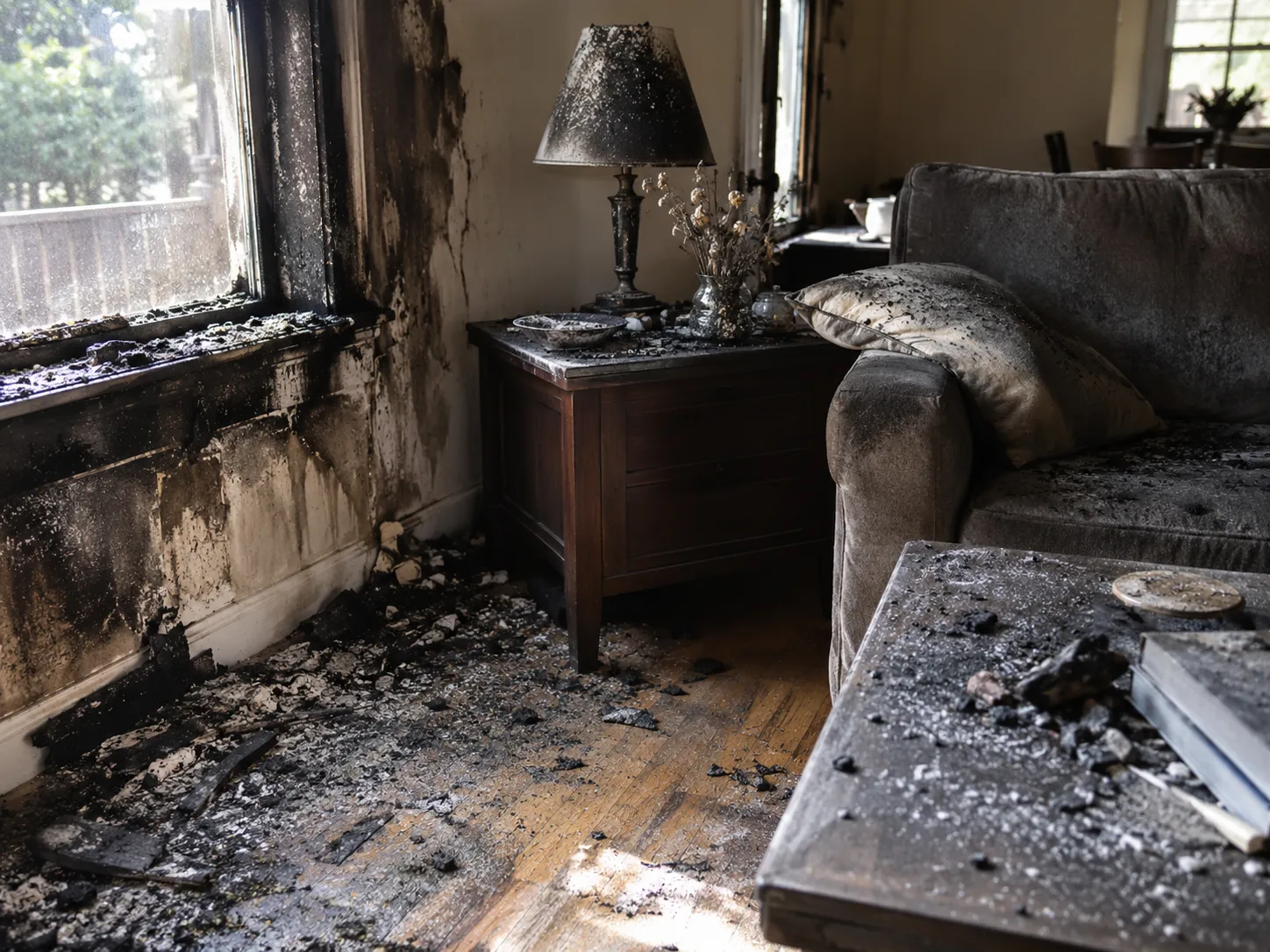
Combustion-residue testing provides a broader way to evaluate material that may be associated with a fire or other combustion event. It can be useful when visible or suspected residue is present on accessible surfaces but the exact type of material has not yet been identified.
Rather than assuming that dark or deposited particles are one specific substance, this service allows collected material to be evaluated through laboratory analysis. Findings can help characterize what was present in the submitted sample and provide clearer information for interpreting conditions observed during the property assessment.
What Laboratory Analysis May Report
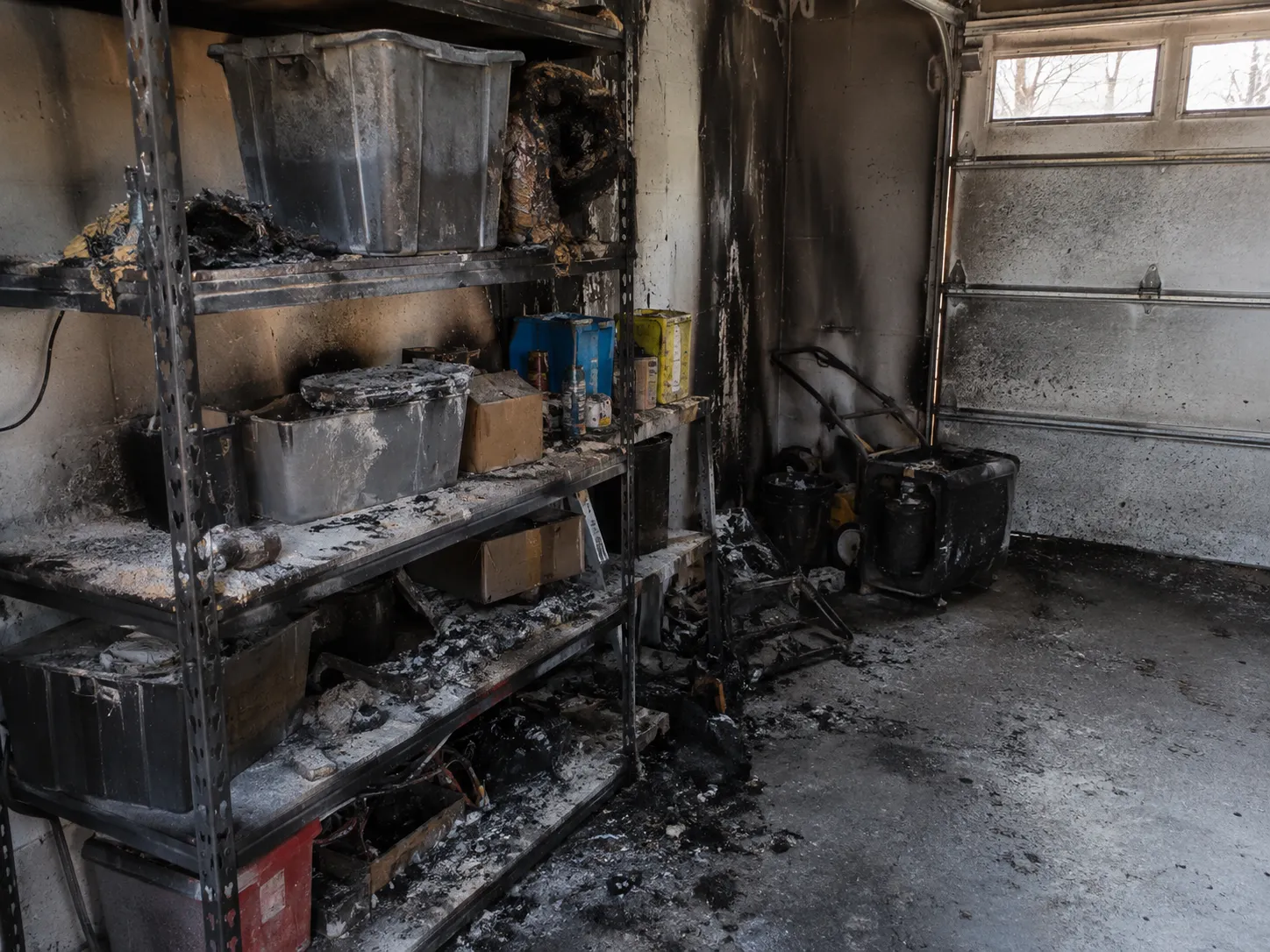
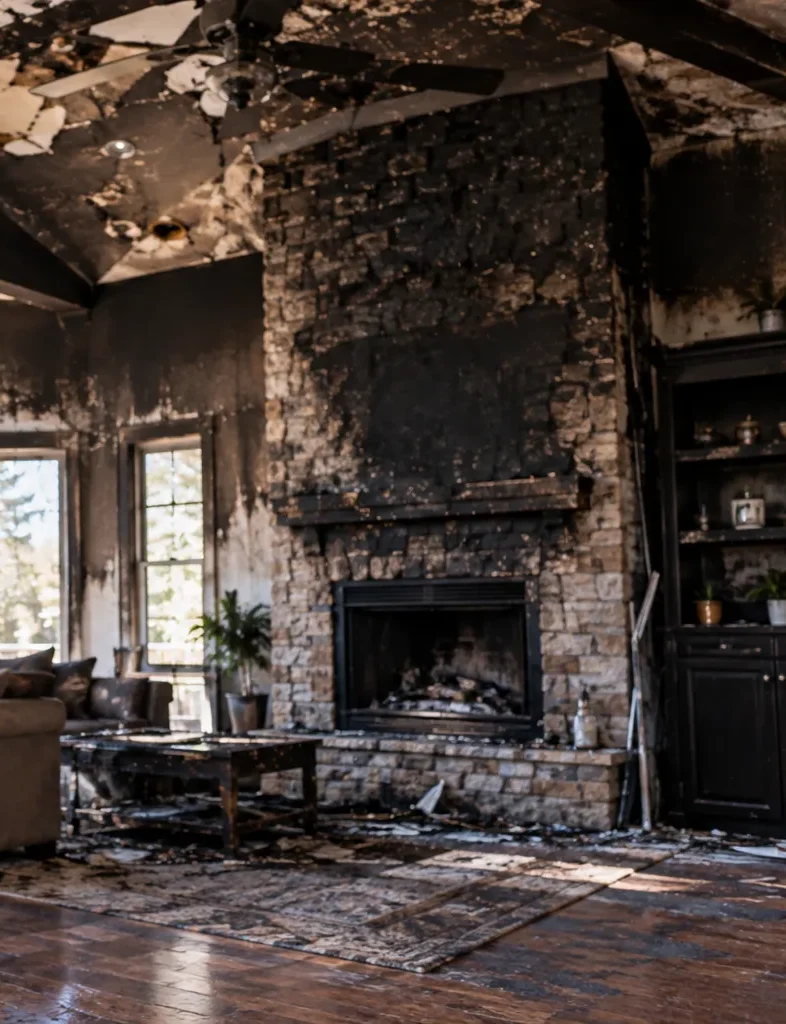
Depending on the material collected and the laboratory analysis performed, findings may report soot, black carbon, char, ash, carbonized material, opaque particles, or other dark or unidentified particles. These categories can help describe the types of combustion-related material identified within a submitted sample.
Laboratory findings should be considered together with the location where the material was collected and the conditions observed at the property. Different particles can appear similar to the eye, so laboratory reporting provides more useful information than relying only on the color or appearance of surface residue.
- Soot
- Black Carbon
- Char
- Ash
- Carbonized Material
- Opaque, Dark & Unidentified Particles
When Combustion-Residue Testing May Be Useful
This service can be particularly useful when residue is suspected following a fire or combustion event, but the specific material is not yet known. A broader laboratory evaluation allows the submitted particles to be characterized without presuming beforehand that every dark deposit is soot, ash, black carbon, or another particular residue.
The resulting information can support a more informed assessment of the sampled material and help determine whether additional evaluation may be appropriate. Findings should remain connected to the submitted sample and surrounding assessment context rather than being treated as a conclusion about all surfaces or materials throughout the property.
Common Questions About Combustion-Residue Testing
Laboratory findings may report soot, black carbon, char, ash, carbonized material, opaque particles, and other dark or unidentified particles, depending on what is present in the submitted sample and what the laboratory analysis identifies.
This service may be useful when residue is suspected after a fire or combustion event, but the exact type of material is unknown. Broader laboratory analysis can help characterize the collected particles without assuming their identity based only on appearance.
No. Dark or opaque particles may represent different types of material, and appearance alone does not establish their identity. Laboratory analysis can provide additional information about the material collected from the specific location being evaluated.
Select Service:
Send us a Message
Need Help Choosing a Service?
Not sure which service is right for you? Our team can help you understand your options and recommend the appropriate next step.