Black Carbon Testing After a Fire: What It Is and When It's Needed
Black carbon is a dark particulate produced by incomplete combustion. After a fire or combustion event, dark particles may be present on accessible surfaces, but appearance alone does not establish what those particles are or where they originated.
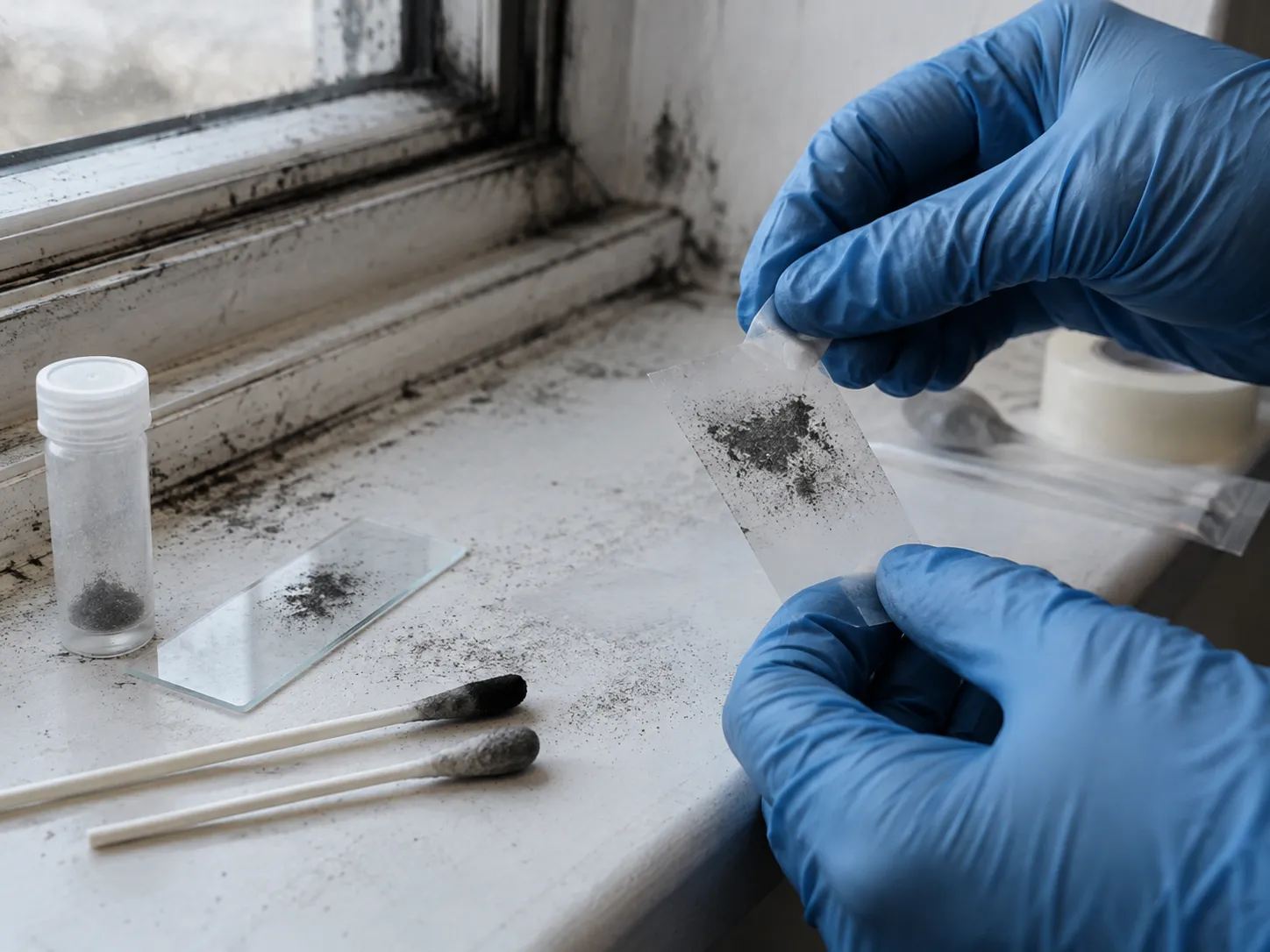
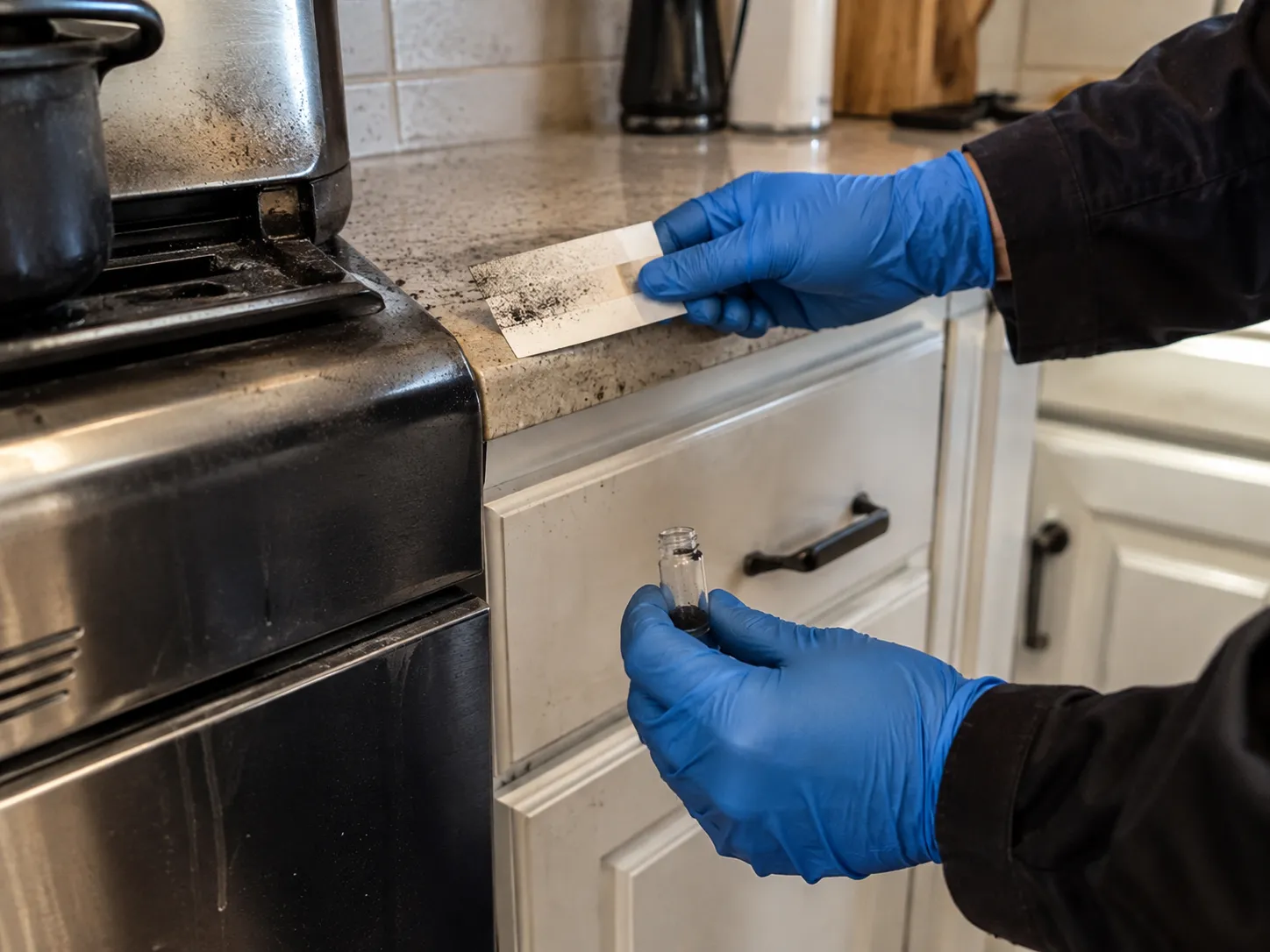
Black-Carbon Testing focuses on collecting surface samples of dark particles when additional information is needed. Surface-particle analysis may help identify black carbon within a collected sample and provide documented laboratory information that can be considered alongside the conditions observed during the assessment.
How Black Carbon Is Identified
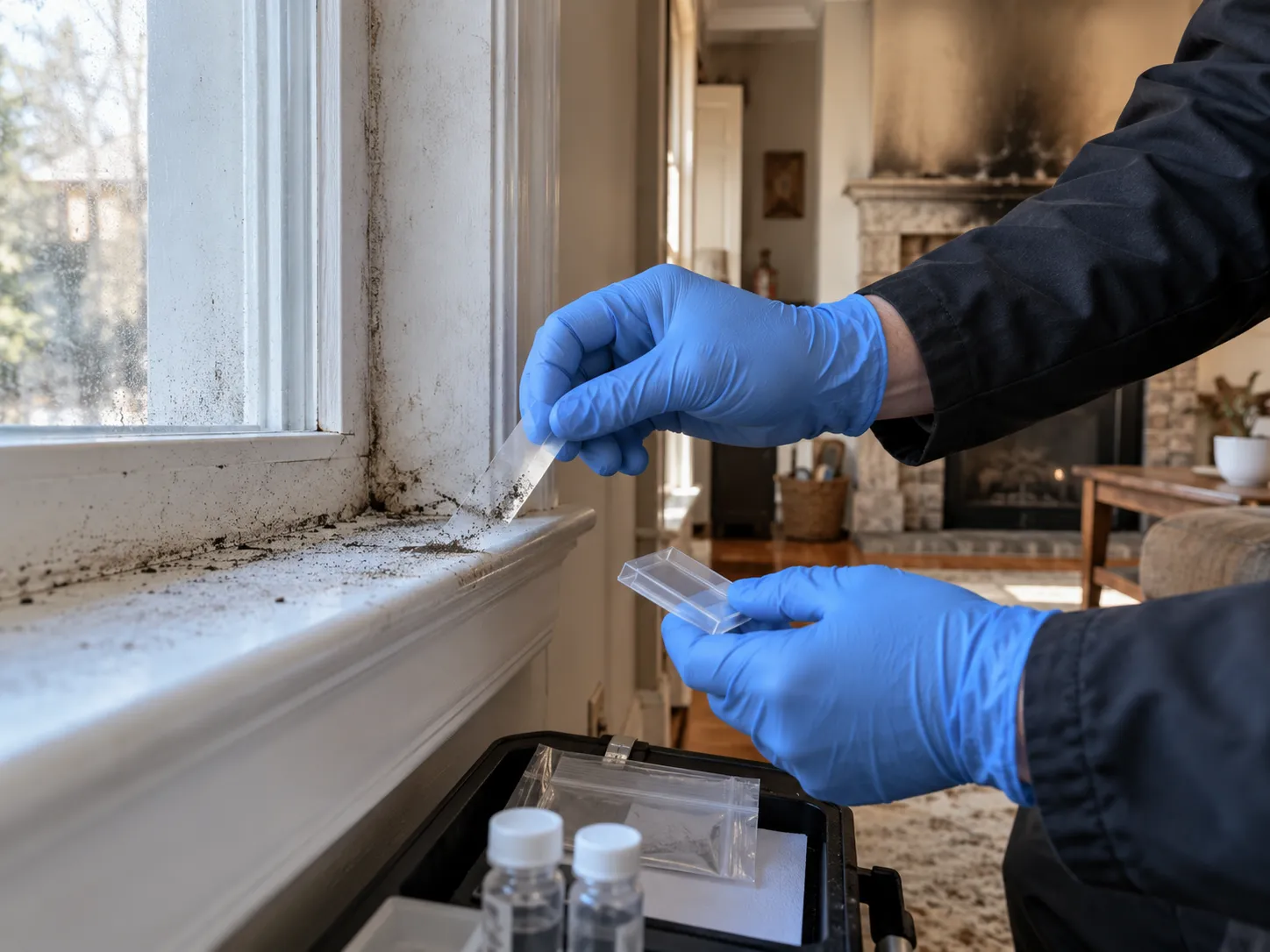
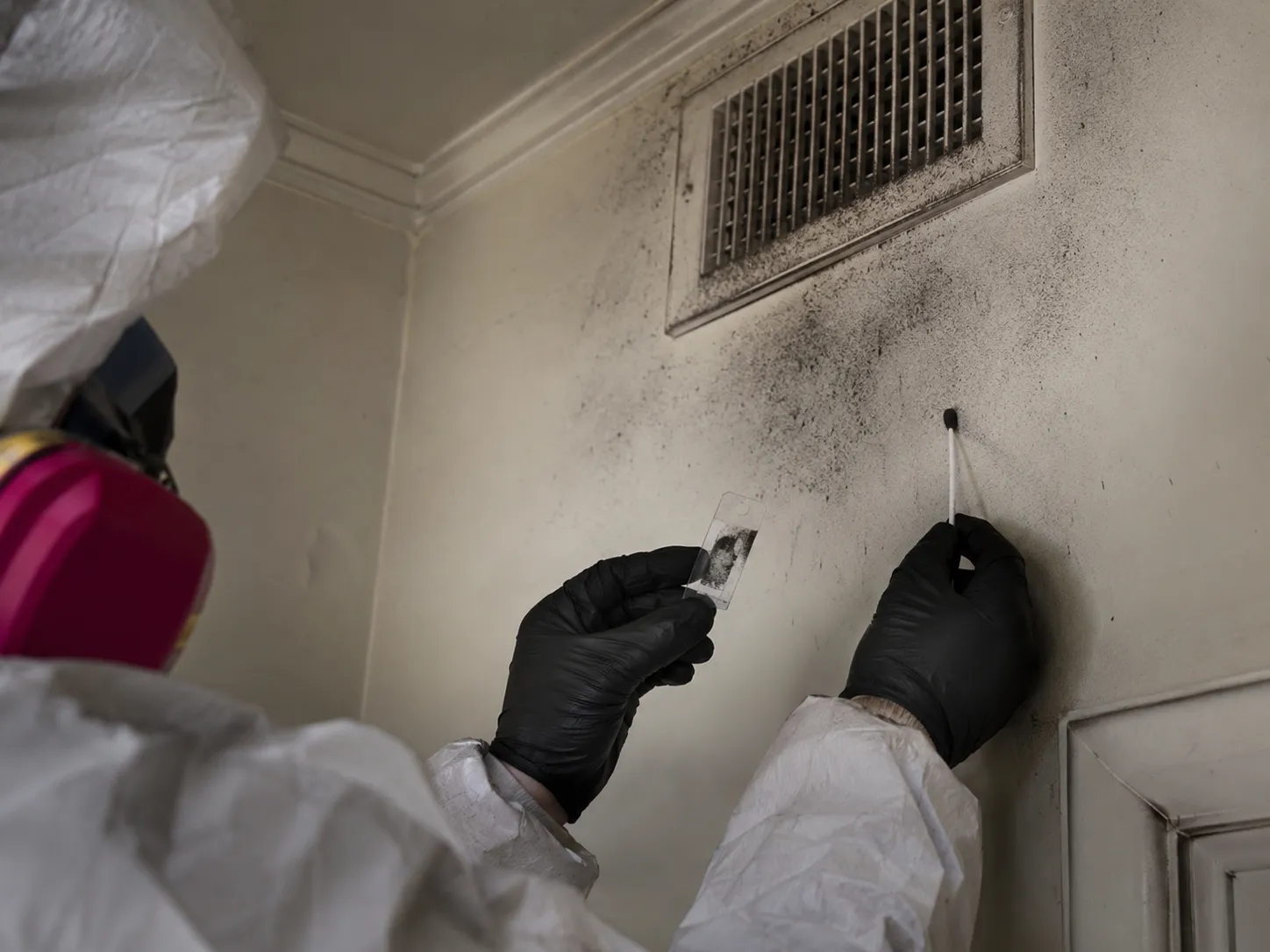
Black carbon may be identified through surface-particle analysis performed on material collected from a specific accessible location. The sample is documented by location and submitted for appropriate laboratory analysis so the reported findings can be connected to the specific surface from which the material was obtained.
Laboratory identification is only one part of the overall assessment. Black carbon findings should be interpreted together with the property history, inspection observations, exact sample location, surrounding conditions, and other laboratory findings rather than as a stand-alone result.
- Property History
- Inspection Observations
- Sample Location
- Surface-Particle Analysis
- Other Laboratory Findings
- Overall Assessment Context
Interpreting Dark Particle Findings Carefully
Finding dark particles on a surface does not automatically establish that the material is black carbon or identify its source. Similar-looking particles may have different origins, which is why visual appearance alone should not be used to draw a definitive conclusion about the material collected.
A finding of black carbon also does not, by itself, establish toxicity or a specific health effect. Laboratory results should be reviewed within the complete assessment context, including where the sample was collected, what was observed during the inspection, the property history, and any other relevant laboratory findings.
Common Questions About Black Carbon Testing
Black carbon is a dark particulate material that may be associated with incomplete combustion. When black carbon is suspected, surface-particle analysis may help identify whether it is present in material collected from a specific sampled location.
No. The presence of dark particles does not automatically establish that the material is black carbon or determine its source. Appropriate laboratory analysis and the surrounding inspection context are important when interpreting the material collected.
A black-carbon finding should be considered together with the property history, inspection observations, specific sample location, surrounding conditions, and other laboratory findings. The laboratory result should not be interpreted independently from the overall assessment context.
Select Service:
Send us a Message
Need Help Choosing a Service?
Not sure which service is right for you? Our team can help you understand your options and recommend the appropriate next step.